

Blog
 https://www.tb-polishing-pads.com/wp-content/uploads/2026/04/14258973-32fa-11f1-92cf-93142ba9cb42.jpg
600
800
TB垫
https://www.tb-polishing-pads.com/wp-content/uploads/2019/03/logo.jpg
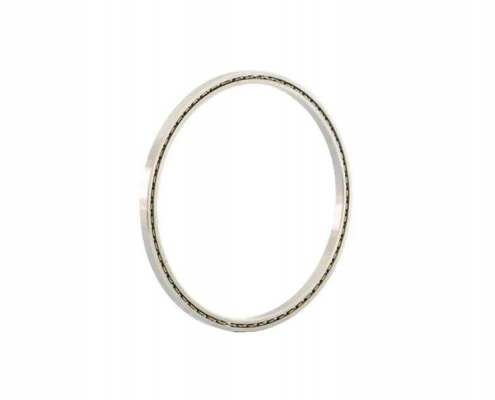
TB垫2026-06-29 15:03:042026-06-29 15:05:16Achieve Sub-Arc-Second Accuracy with Crossed Roller Bearing
https://www.tb-polishing-pads.com/wp-content/uploads/2026/04/14258973-32fa-11f1-92cf-93142ba9cb42.jpg
600
800
TB垫
https://www.tb-polishing-pads.com/wp-content/uploads/2019/03/logo.jpg
TB垫2026-06-29 15:03:042026-06-29 15:05:16Achieve Sub-Arc-Second Accuracy with Crossed Roller Bearing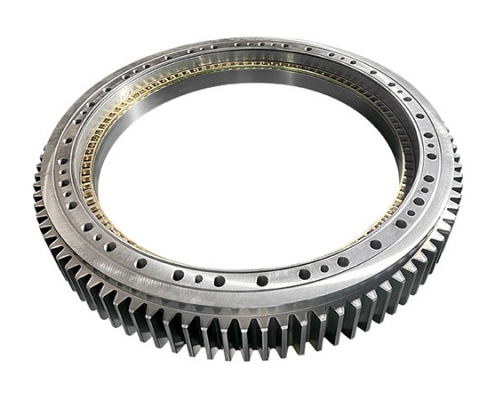 https://www.tb-polishing-pads.com/wp-content/uploads/2024/10/13-1.jpg
450
600
TB垫
https://www.tb-polishing-pads.com/wp-content/uploads/2019/03/logo.jpg
TB垫2026-06-29 14:56:382026-06-29 14:56:38Crossed Roller Bearings vs Angular Contact: Key Differences
https://www.tb-polishing-pads.com/wp-content/uploads/2024/10/13-1.jpg
450
600
TB垫
https://www.tb-polishing-pads.com/wp-content/uploads/2019/03/logo.jpg
TB垫2026-06-29 14:56:382026-06-29 14:56:38Crossed Roller Bearings vs Angular Contact: Key Differences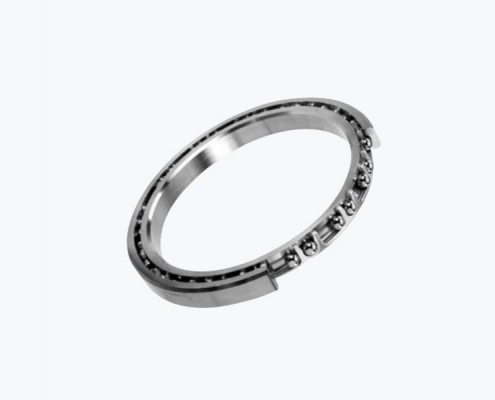 https://www.tb-polishing-pads.com/wp-content/uploads/2026/04/PR-Radial-Contact-Ball-Bearing_WX7KsTh-1.jpg
600
800
TB垫
https://www.tb-polishing-pads.com/wp-content/uploads/2019/03/logo.jpg
TB垫2026-06-29 14:49:462026-06-29 14:49:46Why Compact Robot Arms Need Crossed Roller Bearings
https://www.tb-polishing-pads.com/wp-content/uploads/2026/04/PR-Radial-Contact-Ball-Bearing_WX7KsTh-1.jpg
600
800
TB垫
https://www.tb-polishing-pads.com/wp-content/uploads/2019/03/logo.jpg
TB垫2026-06-29 14:49:462026-06-29 14:49:46Why Compact Robot Arms Need Crossed Roller Bearings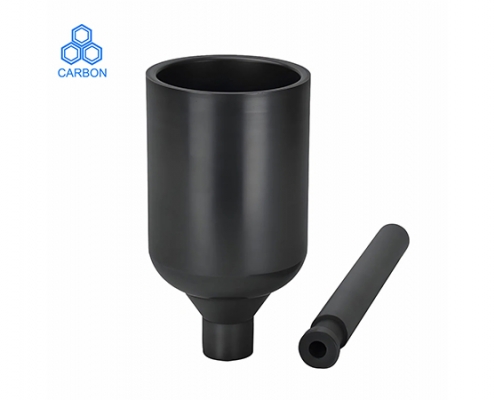 https://www.tb-polishing-pads.com/wp-content/uploads/2025/04/Hot-Sale-Graphite-Casting-Crucible-and-Stopper-for-Yasui-Kt18.jpg
450
600
TB垫
https://www.tb-polishing-pads.com/wp-content/uploads/2019/03/logo.jpg
TB垫2026-06-29 14:41:202026-06-29 14:42:55How to Choose the Right Crucible for Gold and Silver Melting
https://www.tb-polishing-pads.com/wp-content/uploads/2025/04/Hot-Sale-Graphite-Casting-Crucible-and-Stopper-for-Yasui-Kt18.jpg
450
600
TB垫
https://www.tb-polishing-pads.com/wp-content/uploads/2019/03/logo.jpg
TB垫2026-06-29 14:41:202026-06-29 14:42:55How to Choose the Right Crucible for Gold and Silver Melting https://www.tb-polishing-pads.com/wp-content/uploads/2025/06/31.jpg
450
600
TB垫
https://www.tb-polishing-pads.com/wp-content/uploads/2019/03/logo.jpg
TB垫2026-06-29 14:30:272026-06-29 14:30:27Extend Crucible Life: Anti-Oxidation Coating Explained
https://www.tb-polishing-pads.com/wp-content/uploads/2025/04/Hot-Sale-Graphite-Casting-Crucible-and-Stopper-for-Yasui-Kt18.jpg
450
600
TB垫
https://www.tb-polishing-pads.com/wp-content/uploads/2019/03/logo.jpg
TB垫2026-06-29 14:13:572026-06-29 14:13:57Graphite vs Clay Crucible: Which Performs Better at 1600°C?
https://www.tb-polishing-pads.com/wp-content/uploads/2025/06/31.jpg
450
600
TB垫
https://www.tb-polishing-pads.com/wp-content/uploads/2019/03/logo.jpg
TB垫2026-06-29 14:30:272026-06-29 14:30:27Extend Crucible Life: Anti-Oxidation Coating Explained
https://www.tb-polishing-pads.com/wp-content/uploads/2025/04/Hot-Sale-Graphite-Casting-Crucible-and-Stopper-for-Yasui-Kt18.jpg
450
600
TB垫
https://www.tb-polishing-pads.com/wp-content/uploads/2019/03/logo.jpg
TB垫2026-06-29 14:13:572026-06-29 14:13:57Graphite vs Clay Crucible: Which Performs Better at 1600°C?